
The Right PSI for Every Commercial and Industrial Cleaning Task
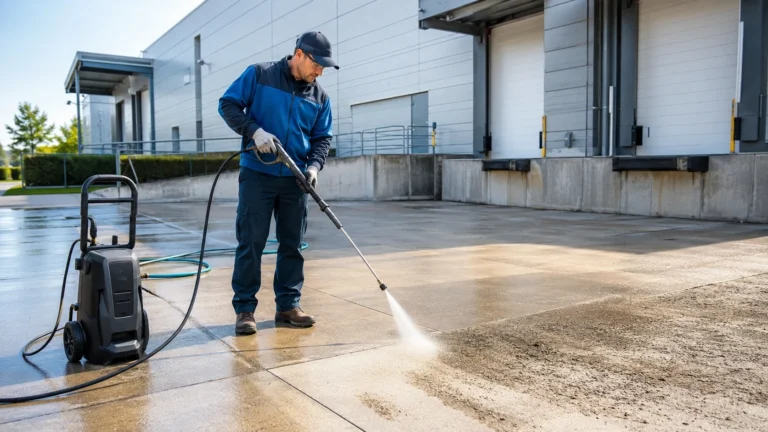
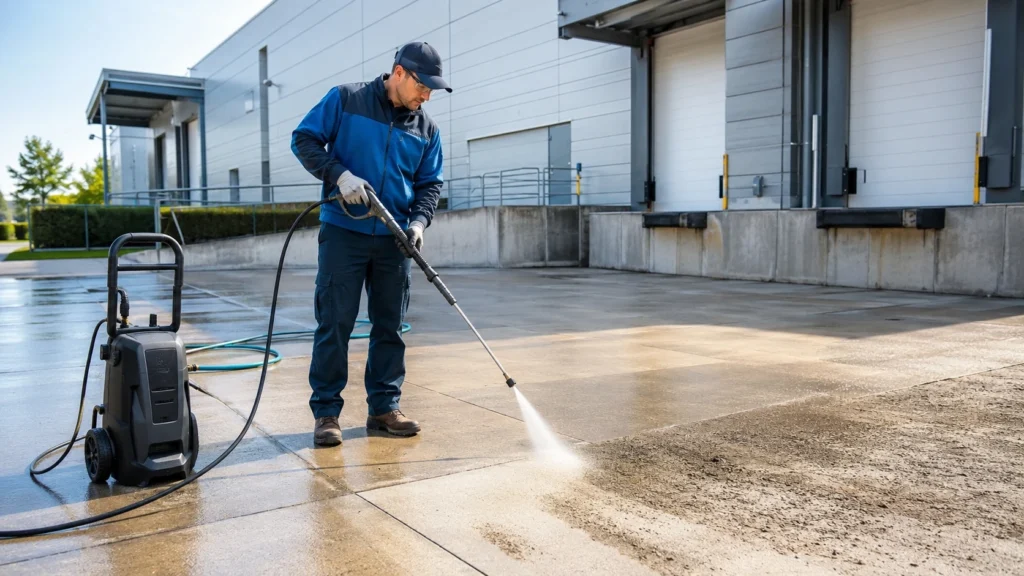
A loading dock can look clean from a distance yet still hold years of oil, tire marks, and compacted dirt. You bring out the pressure washer, make several slow passes, and still see dark patches. The immediate thought is simple: “I need more pressure.”
Sometimes that is true. However, pressure alone does not determine cleaning performance. Surface material, water flow, heat, detergent, nozzle size, and operator technique all affect the result.
Choosing the right industrial pressure washer means finding enough power to remove buildup without damaging the surface. Too little pressure wastes labor and fuel. Too much can strip paint, scar concrete, damage seals, or push water into sensitive areas.
This guide explains how New Jersey businesses can match PSI with their cleaning tasks. It also covers when higher pressure makes sense and which factors should be considered alongside PSI.
Why the Wrong Pressure Creates Expensive Cleaning Problems
Low pressure may seem safer, but an underpowered machine creates its own problems. Employees make repeated passes over the same area. Cleaning takes longer, more water gets used, and stubborn residue remains behind. These delays can become costly in a large warehouse, parking facility, or fleet yard.
Excessive pressure creates a different type of expense. A strong water stream can remove protective coatings, loosen mortar, damage wood, and leave visible lines in concrete. It may also harm equipment decals, electrical connections, hoses, and painted components. Those repairs can cost far more than the original cleaning job.
Imagine a New Jersey distribution center cleaning its loading zone before an inspection. A weak machine may not remove the tire marks in time. Yet using maximum pressure without testing could damage the floor coating. The correct setting falls between those extremes and considers both the dirt and the surface beneath it.
Match Industrial Pressure-Washing Power to the Surface
Different materials tolerate different levels of force. Painted machinery, vehicles, coated flooring, and older masonry usually require a careful approach. Start with a wide spray pattern, maintain a safe working distance, and increase pressure gradually. This reduces the chance of removing paint or damaging a protective finish.
Sound concrete, construction machinery, and heavily used loading areas can usually handle greater pressure. Even so, surface condition matters. Older concrete may contain small cracks, weak edges, or previously repaired areas. A concentrated stream can enlarge those flaws or expose the aggregate below the surface.
Always test a small, less visible area first. Begin with a lower setting and monitor the surface’s response. If the dirt remains, adjust the pressure, nozzle distance, or detergent. Testing takes a few minutes, but it can prevent hours of repair work.
Lower-pressure cleaning tasks
Lower settings are generally more suitable for painted surfaces, vehicle bodies, signs, soft masonry, and delicate building materials. The goal is to loosen dirt without disturbing the finish underneath.
Higher-pressure cleaning tasks
More force may be needed for durable concrete, construction equipment, loading docks, and thick deposits of compacted soil. These jobs still require controlled technique. Higher pressure should be treated as a working option rather than the default setting.
Look Beyond PSI Before Choosing a Machine
Here is where equipment selection often becomes confusing. Two machines can carry similar PSI ratings but perform very differently in the field. PSI measures the force of the water, while gallons per minute, or GPM, measure how much water the machine delivers.
More GPM usually helps move loosened dirt away faster. This is especially useful on warehouse floors, in parking structures, on sidewalks, and in large commercial areas. A machine with balanced pressure and strong water flow may finish the job faster than one offering extreme pressure with limited flow.
A well-matched commercial pressure-washing system also considers heat and detergent. Hot water breaks down oily residue more effectively than cold water in many applications. A suitable degreaser can loosen buildup before washing begins. Together, heat and cleaning solution may achieve better results than simply increasing pressure.
Nozzle choice changes the real impact
The nozzle controls how water reaches the surface. A narrow spray concentrates force into a small area. A wider nozzle spreads that force and provides broader coverage. Starting with an aggressive nozzle can cause damage before the operator has time to react.
Nozzles also wear over time. A worn nozzle may produce weaker pressure, an uneven pattern, or slower cleaning. Before assuming the machine lacks power, inspect the nozzle, filter, hose, and water supply.
When a 4000 psi Pressure Washer Makes Practical Sense
A 4000 psi pressure washer can be useful for demanding jobs involving durable surfaces and stubborn contamination. Common examples include cleaning construction machinery, heavy concrete, loading zones, industrial yards, and certain fleet-maintenance areas. The added force can reduce repeated passes when the equipment is used correctly.
Still, that rating does not mean every task should be completed at full pressure. The operator can change the impact through nozzle selection, distance, spray angle, and pressure adjustment. On mixed surfaces, starting at maximum power may clean the concrete but damage nearby paint, seals, siding, or coated metal.
Businesses should also consider how frequently that level of power is required. Buying equipment for one unusually difficult task may create unnecessary costs. Renting 4,000 PSI cleaning equipment can make more sense for occasional projects. Frequent heavy cleaning, however, may justify ownership if the machine’s flow rate, heating system, and accessories fit regular operations.
Common Industrial Cleaning Pressure Mistakes
The most common mistake is choosing the highest rating available. A powerful machine looks impressive on paper, but extra force cannot solve every cleaning problem. Grease may need heat. Organic buildup may need dwell time with a cleaning solution. Loose debris may require more water flow rather than more impact.
Another mistake is ignoring the surface’s age. New, properly cured concrete behaves differently from an older slab with cracks and previous repairs. Likewise, fresh commercial paint may tolerate cleaning better than a faded coating that has already started peeling.
Using one setup for every job also causes trouble. A fleet vehicle, brick wall, warehouse floor, and excavator should not be cleaned with the same nozzle and distance. Operators need to adjust the setup as the surface changes.
Do not blame the machine too quickly
Weak performance does not always mean the pump is failing. A clogged water filter, restricted supply line, leaking hose, incorrect nozzle, or worn spray tip can reduce cleaning effectiveness. Checking these smaller components may solve the problem without a repair or replacement.
A Practical PSI Selection Process for New Jersey Businesses
Start by identifying the surface and the buildup. Is the material painted, coated, porous, cracked, or exposed? Are you removing loose dirt, winter salt, oil, grease, gum, paint, or compacted soil? These details narrow the safe pressure range.
Next, decide whether heat or detergent could reduce the need for force. A cold-water machine may handle mud and general outdoor dirt. Oily shop floors and greasy machinery often respond better to hot water. Applying an appropriate detergent and allowing enough dwell time can make the final rinse easier.
Then choose a wider nozzle and begin below maximum pressure. Test an inconspicuous spot. Keep the wand moving, use a consistent distance, and inspect the surface after the first pass. Increase the force only if the material remains unaffected and the buildup is not lifting.
A warehouse manager in Newark may need high water flow for a large floor. A Bergen County contractor may prioritize portability and high-pressure cleaning performance for equipment. Meanwhile, a municipal facility may need adjustable settings for several surfaces. Pressure King can help compare equipment based on the actual job rather than the largest number on the label.
Choose a Heavy-Duty Pressure Washer for Long-Term Value
The right machine should fit today’s cleaning demands without creating avoidable costs tomorrow. Oversized equipment may consume more fuel, require heavier accessories, and increase maintenance expenses. An underpowered unit can be just as costly when every job demands additional labor.
Think about workload, operating hours, available water supply, transportation, storage, and employee experience. Also consider whether you need hot water, an electric or fuel-powered unit, a trailer-mounted setup, or adjustable controls. These practical details often matter more than a single PSI figure.
The strongest choice is rarely the machine with the highest pressure. It is the one that balances PSI, GPM, heat, detergent, and control for the surfaces you clean most often.
FAQs
Is higher PSI always better for industrial cleaning?
No. Higher PSI provides more impact, but it can damage coatings, paint, mortar, and weaker surfaces. The most effective setting is the lowest pressure that completes the task efficiently without harming the material.
Is 4,000 PSI safe for concrete?
It may be suitable for sound, durable concrete. However, concrete age, condition, nozzle type, spray distance, and operator technique all affect safety. Cracked, coated, or repaired concrete should be tested carefully before full cleaning begins.
Should grease be cleaned with more pressure or hotter water?
Heat and detergent are often more effective than added pressure. Hot water helps break down oily residue, while a suitable cleaning solution loosens the bond between grease and the surface. Pressure can then rinse the material away.
How are PSI and GPM different?
PSI describes water force. GPM describes the amount of water delivered each minute. PSI loosens stubborn buildup, while GPM carries the loosened dirt away and improves cleaning speed across larger areas.
Can one pressure washer handle several commercial jobs?
Yes, provided the machine has suitable controls, nozzles, flow, and accessories. Operators must adjust the setup for each surface. Using the same pressure and nozzle everywhere increases the risk of poor results or surface damage.
🚀 Build smarter. Follow Milyom.