

Cloud Business Phone System Guide for UK Firms
A cloud business phone system has become one of the most practical ways for UK companies to manage calls in a fast-changing work environment. As teams become more mobile and customer expectations continue to rise, businesses need a phone setup that is flexible, easy to manage, and capable of supporting both office-based and remote staff. A cloud business phone system offers that balance without the burden of traditional hardware-heavy telephony.
For many organisations, the main appeal is control. Instead of depending on ageing desk-based infrastructure, they can use an internet-based platform that is easier to scale and update. That makes a cloud business phone system attractive to small companies, growing firms, and established businesses that want to modernise communication without creating unnecessary complexity.
How it works in practice
A cloud business phone system delivers calls through the internet rather than through a fixed internal phone network. The service is hosted remotely, and users connect through desk phones, computers, mobile devices, or softphone applications depending on their setup. In practical terms, this means employees can make and receive business calls from almost anywhere with a reliable internet connection.
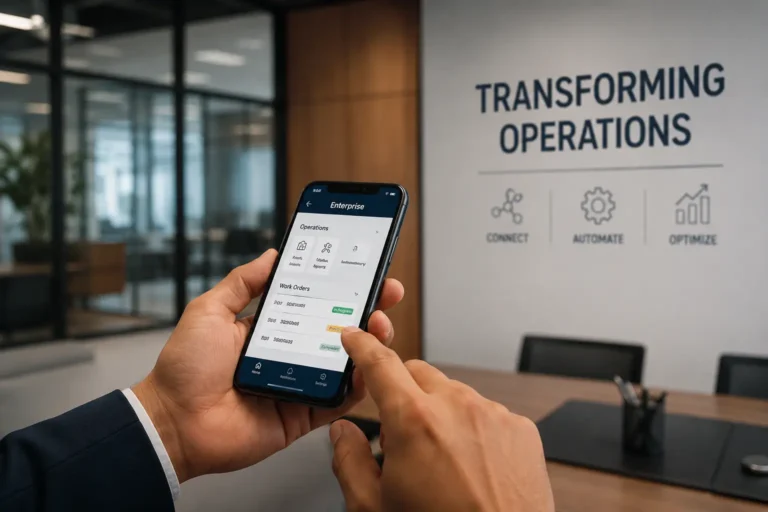
This model is especially useful for firms that have adopted hybrid working. A cloud-based business phone system lets teams stay reachable whether they are in the office, at home, or on the road. Because the system is managed in the cloud, businesses can make changes without needing major technical work on site.
Why UK businesses are switching
UK firms are under pressure to stay responsive while keeping overheads under control. Traditional phone systems can be difficult to adapt when staff numbers change, or teams work across multiple locations. A cloud business phone system solves many of those problems by offering a more adaptable structure.
It is also easier for businesses to present a consistent image to customers. Calls can be routed to the right person, voicemail can be managed centrally, and teams can stay connected across departments. For companies that want a professional communication setup without unnecessary complexity, the business cloud phone system model fits well.
Benefits for smaller companies
Smaller businesses often need the same professional communication tools as larger firms, but without the same budget or IT support. That is why a cloud phone system for small business has become such a common choice. It gives smaller teams access to features like call forwarding, voicemail-to-email, auto-attendant menus, and mobile access without requiring a large investment in hardware.
A small business cloud phone system also helps with growth. As new employees join, businesses can add users more easily than they could with a traditional PBX arrangement. This makes it easier for startups, consultancies, local service firms, and agencies to expand at their own pace while keeping communication organised.
Features that matter most
Not every platform is the same, so businesses should understand which features are most useful before choosing a provider. A cloud-based phone system for small business uk typically includes call routing, call transfer, voicemail, conference calling, and analytics. Some systems also offer call recording, time-based routing, and integration with customer relationship management tools.
These features can make a real difference in daily operations. For example, a call can be sent to a sales team during office hours and to an on-call mobile number outside those hours. This kind of flexibility is one reason many firms choose a cloud business phone system when planning long-term communication improvements.
Mobility and continuity
Mobility is one of the strongest advantages of cloud telephony. Staff can use the same business number from different devices, which helps maintain continuity even when they are away from the office. That is particularly helpful for managers, support teams, and field-based employees who still need to present a professional front to customers.
Easier scaling
Another important point is scalability. A cloud business phone system can grow with the business instead of forcing the business to grow around the system. Whether a company needs to add one new user or roll out communication across several offices, the process is generally more straightforward than with conventional systems.
What to review before choosing
Before making the switch, UK businesses should look at internet quality, service support, and how the system is administered. Since the service depends on internet connectivity, the connection should be stable enough to support voice traffic without disruption. Companies should also check whether the provider offers onboarding help and clear guidance for day-to-day use.
It is equally important to examine pricing and service structure. Some providers offer simple call packages, while others include advanced features, support layers, or setup assistance. Wavetel Business is one provider that offers these services, and firms may wish to compare its options with other providers before deciding which model is the best fit.
How it supports customer experience
A well-designed phone system does more than connect calls. It shapes how customers experience the business. If calls are answered promptly and routed correctly, clients are more likely to feel valued and heard. A cloud business phone system can support that by making call handling more flexible and more consistent.
For example, a customer enquiry can be transferred to the right team without unnecessary delays. If the main line is busy, calls can be redirected to another user or voicemail. These improvements may seem small, but they often make a strong impression on customers and help businesses maintain a professional reputation.
Why it suits modern working
Workplace habits have changed significantly, and communication systems need to reflect that. A cloud business phone system is well suited to hybrid offices, remote work arrangements, and businesses with distributed teams. Rather than tying communication to one fixed location, it allows staff to stay connected wherever they are working.
This flexibility can also improve resilience. If one office closes temporarily or staff needs to work from elsewhere, the phone system can continue operating with minimal interruption. For businesses that value continuity, this is a major advantage and one that traditional systems often struggle to match.
Commercial value over time
The financial case for cloud telephony is not only about lower upfront hardware costs. It is also about the ability to adapt more efficiently over time. A cloud business phone system reduces the need for ongoing equipment maintenance and gives businesses more freedom to adjust services as their requirements change.
That can be especially useful for growing firms that do not want to replace equipment each time they expand. By keeping the communication platform flexible, businesses can focus more on service quality and less on technical administration. In many cases, that creates better long-term value than investing in a fixed system with limited room to grow.
Final thoughts
A cloud business phone system offers UK businesses a practical way to improve communication, support modern working patterns, and stay responsive to customers. It is flexible enough for smaller firms and powerful enough for growing organisations that need more control over how calls are managed.
If your company is reviewing its telephony options, explore a cloud business phone system from Wavetel Business and see how it could fit your communication needs.
✨ Want smarter takes like this? Tap follow on Milyom.co.uk