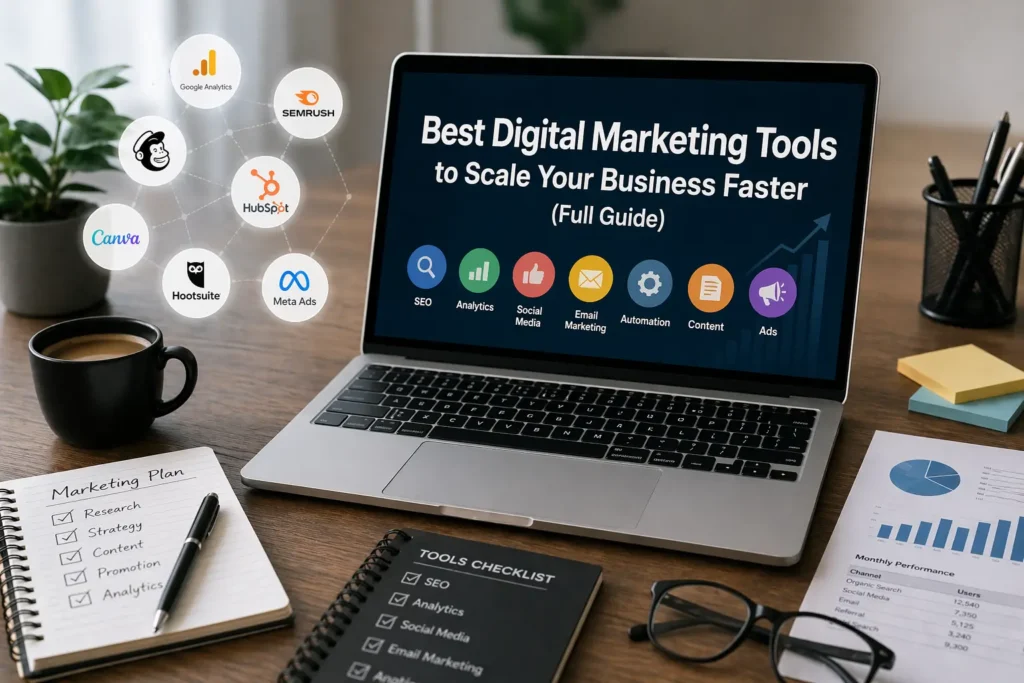

Best Digital Marketing Tools to Scale Your Business Faster (Full Guide)
There was a time when digital marketing was driven by effort alone. You could publish a few blog posts, share content on social media, send occasional emails, and still see results. That time is gone. Today, the competition is sharper, audiences are more aware, and algorithms are far less forgiving. If you’re still relying on manual processes, scattered strategies, or guesswork, you’re not just behind, you’re invisible.
Digital marketing tools have shifted from being “helpful” to essential. They don’t just save time; they create leverage. The difference between a business that grows steadily and one that struggles often comes down to how effectively it uses tools to execute, analyze, and optimize its marketing efforts. From tracking user behavior to identifying high-intent keywords and automating campaigns, tools are now the backbone of modern marketing systems.
But here’s what most people get wrong: it’s not about having more tools. It’s about having the right ones and using them with a clear purpose. Businesses that win are not the ones with the biggest stack, but the ones with the smartest systems behind their strategy.
The Real Problem Most Businesses Face with Marketing Tools
If tools are so powerful, why do so many businesses still fail to get results? The answer is simple: confusion and overload.
Most businesses don’t struggle because they lack tools. They struggle because they’re overloaded with them. Subscriptions pile up. Dashboards multiply. Data becomes noise instead of insight. One tool handles SEO, another manages emails, and a third schedules social posts, and none of them truly connect in a meaningful way. Instead of creating efficiency, the system becomes fragmented and hard to manage.
This leads to a deeper problem, tool fatigue. Teams spend more time switching between platforms than actually executing strategies. Reports are generated but not understood. Features are available but never fully utilized. And slowly, marketing turns into a checklist instead of a growth engine.
There’s also a false belief that tools alone can fix a weak strategy. Businesses often invest in premium platforms expecting instant results, only to realize that without a clear direction, even the best tools fall short. A keyword research tool won’t help if you don’t understand search intent. An email automation platform won’t generate revenue if your messaging doesn’t resonate. Tools amplify what already exists, they don’t replace thinking.
This is why many businesses end up spending more while achieving less. Not because tools don’t work, but because they’re used without alignment, clarity, or purpose.
How to Choose the Right Digital Marketing Tools (Without Wasting Money)
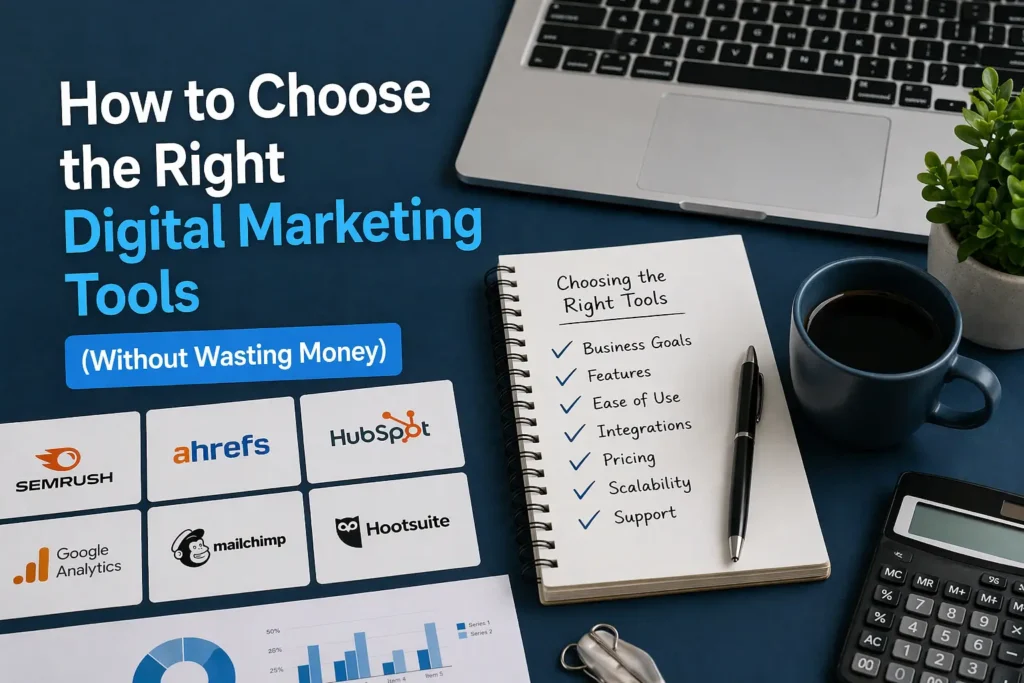
Choosing the right digital marketing tools is less about features and more about fit. Before you even look at a tool, you need to understand what you’re trying to achieve. Without that clarity, every tool will seem useful, and that’s where mistakes begin.
The first layer is your goal. Are you trying to increase organic traffic, generate leads, improve conversion rates, or build brand authority? Each goal requires a different set of tools. When your objective is clear, your choices automatically become narrower and more focused.
The second layer is your primary channel. Not every business needs to dominate every platform. Some grow through SEO, others through paid ads, and some through content or email marketing. The tools you choose should strengthen your main channel instead of distracting you with unnecessary features.
Scalability is another critical factor that most people ignore in the beginning. A tool might work perfectly when you’re just starting, but can it handle your growth? Can it support a larger team, more data, and more complex workflows? Switching tools later isn’t just expensive, it’s disruptive.
Integration also plays a major role. Your tools should talk to each other. When your analytics, email marketing, CRM, and content systems are connected, you get a clearer picture of what’s actually working. Disconnected tools create blind spots, and in marketing, blind spots are costly.
Finally, everything comes down to return on investment. A tool is only valuable if it helps you generate more revenue, save significant time, or improve decision-making. If it doesn’t contribute to one of these outcomes, it’s not an asset, it’s an expense.
The smartest businesses approach tools with discipline. They don’t chase trends or buy into hype. They build a lean, focused stack that aligns with their strategy and supports long-term growth. Because at the end of the day, tools don’t create success; systems do.
SEO Tools That Actually Move Rankings
Most businesses think SEO tools are about finding keywords and tracking rankings. That’s the surface level. The real value lies in understanding search intent, identifying gaps your competitors are missing, and building authority that compounds over time.
The difference between content that sits on page five and content that dominates page one is rarely effort, it’s direction. Strong SEO tools help you uncover what your audience is actually searching for, how difficult it is to rank, and what kind of content Google is rewarding right now. Instead of guessing topics, you start making data-backed decisions.
But the real shift happens when you stop chasing metrics like keyword volume alone and start focusing on outcomes. Traffic that doesn’t convert is just noise. Rankings without relevance don’t build authority. The best SEO tools are the ones that guide you toward opportunities where traffic, intent, and conversion potential align.
They also play a critical role in technical performance. Slow websites, broken links, and poor structure are silent killers of rankings. Without the right tools, you won’t even know these problems exist. And by the time you realize, your competitors have already taken your place.
Another layer that separates average results from real growth is backlink analysis. Links are still one of the strongest ranking signals, but not all links are equal. Tools that help you evaluate domain quality, relevance, and link profiles give you a clear advantage in building authority strategically instead of randomly.
In short, SEO tools don’t just help you rank; they help you rank with purpose. And that’s what drives long-term growth.
✅ You might also like: Time Management Tools
Content Marketing Tools for High-Converting Content
Publishing content is easy. Creating content that ranks, engages, and converts is where most businesses struggle.
Content marketing tools have evolved far beyond simple writing assistants. Today, they help you identify what to write, how to structure it, how to optimize it for search engines, and how to align it with user intent. Instead of writing blindly, you’re building content with a clear direction.
One of the biggest advantages of using the right tools is clarity. You can analyze top-performing content in your niche, understand what makes it work, and create something better, not just longer, but more useful. This shift from quantity to quality is what separates brands that get traffic from those that build authority.
Another critical factor is consistency. Without systems, content creation becomes irregular, and irregular content rarely performs. Tools that support planning, workflow management, and collaboration make it easier to maintain momentum without burning out your team.
Optimization is where real gains happen. Small improvements in structure, readability, keyword placement, and internal linking can dramatically impact performance. The right tools don’t just point out errors, they guide you toward improvement in a practical way.
But here’s the key: tools don’t create great content. They support it. Your message, your positioning, and your understanding of the audience still come first. When those elements are strong, tools act as multipliers. When they’re weak, tools only make the problem scale faster.
Social Media Marketing Tools for Consistent Growth
Social media success is often misunderstood. Many businesses focus on posting more, hoping that volume alone will drive results. In reality, growth comes from consistency, timing, and understanding what resonates with your audience.
Social media marketing tools bring structure to what would otherwise be a chaotic process. Instead of posting randomly, you plan, schedule, and analyze your content with intention. This not only saves time but also ensures that your presence remains consistent, something algorithms and audiences both reward.
The real advantage, however, lies in analytics. Without data, you’re operating on assumptions. You might think a certain type of content works, but the numbers often tell a different story. Tools that track engagement, reach, and audience behavior help you refine your strategy based on what actually performs.
Another important aspect is engagement management. As your audience grows, responding to messages, comments, and interactions becomes harder to manage manually. Tools that centralize communication help you stay responsive without losing efficiency, which directly impacts brand trust.
Over time, these systems allow you to move from reactive posting to proactive strategy. You’re not just sharing content, you’re building a brand, shaping perception, and creating a connection with your audience.
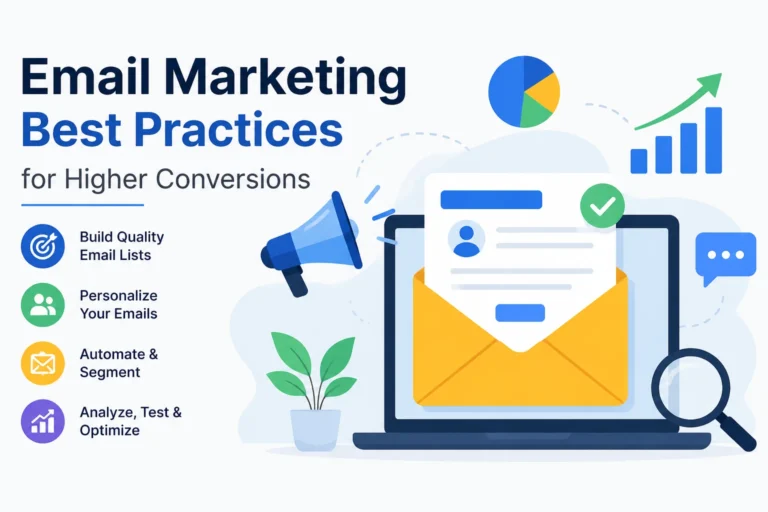
Email Marketing Tools That Drive Real Revenue
Email marketing remains one of the highest ROI channels in digital marketing, yet it’s often underutilized. Many businesses treat it as a simple broadcasting tool, sending occasional newsletters without a clear strategy.
The real power of email marketing tools lies in automation and personalization. Instead of sending the same message to everyone, you can segment your audience based on behavior, interests, and stage in the customer journey. This makes your communication more relevant, and relevance drives conversions.
Automation is another game-changer. From welcome sequences to abandoned cart reminders and follow-ups, these systems allow you to nurture leads and customers without constant manual effort. Once set up correctly, they continue to generate results in the background.
But tools alone don’t guarantee success. The quality of your messaging, the clarity of your offer, and the timing of your emails all play a crucial role. Tools simply give you the ability to execute at scale.
Another overlooked benefit is data. Email marketing platforms provide insights into open rates, click-through rates, and user behavior. This data helps you understand what your audience responds to, allowing you to refine your approach over time.
When used strategically, email marketing tools turn communication into a revenue engine. They help you stay connected with your audience, build trust, and convert attention into action consistently.
Paid Advertising Tools to Maximize ROI
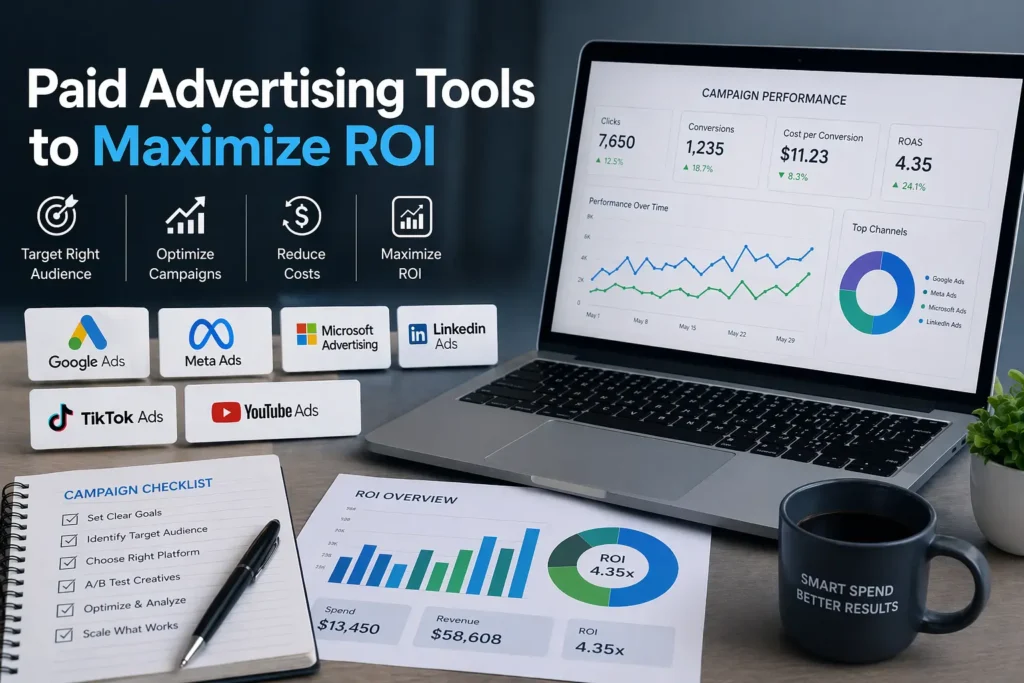
Paid advertising can scale a business faster than almost any other channel, but it can also burn through your budget just as quickly if you don’t have control. This is where the right tools make a measurable difference. They don’t just help you run ads; they help you run smarter campaigns with precision.
At a basic level, most businesses launch campaigns and hope for results. But high-performing marketers operate differently. They rely on tools to test variations, analyze audience behavior, and continuously optimize performance. Instead of guessing which creative or copy will work, they validate decisions with real data.
A major advantage comes from audience targeting. The ability to segment users based on interests, behaviors, and past interactions allows you to reach the right people at the right time. Without proper tools, targeting becomes broad and inefficient, leading to wasted spend.
Another critical element is tracking. If you can’t measure conversions accurately, you can’t improve performance. Advanced tools allow you to track user journeys across platforms, identify drop-off points, and understand what’s actually driving revenue, not just clicks.
Over time, these insights compound. Small improvements in targeting, creatives, and bidding strategies can significantly reduce costs while increasing returns. Paid advertising stops being an expense and starts becoming a predictable growth channel.
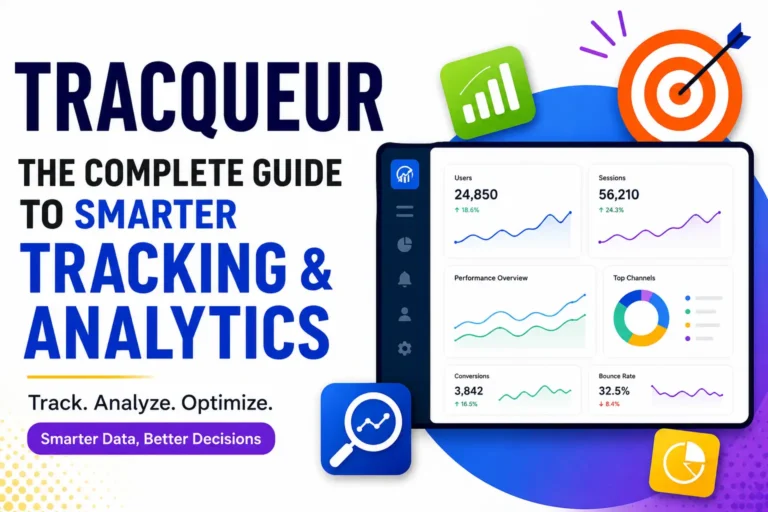
Analytics Tools That Turn Data into Decisions
Data is everywhere, but clarity is rare. Most businesses collect massive amounts of data but struggle to turn it into actionable insights. This is where analytics tools become essential, not for reporting, but for decision-making.
The real purpose of analytics is not to tell you what happened, but to help you understand why it happened and what to do next. When used correctly, these tools reveal patterns that are otherwise invisible. You start seeing which channels drive the highest quality traffic, which content converts best, and where users lose interest.
One of the biggest mistakes businesses make is focusing on surface-level metrics. Page views, impressions, and likes can look impressive, but they don’t always translate into business growth. The real focus should be on metrics that impact revenue, conversion rates, customer acquisition cost, and lifetime value.
Another key advantage is the ability to connect different data points. When your analytics tools integrate with your marketing platforms, you get a complete view of your performance. This eliminates guesswork and allows you to make confident, data-driven decisions.
In a competitive environment, intuition alone is not enough. The businesses that win are the ones that combine creativity with data, using insights to guide every move they make.
✅ You might also like: AI Product Recommendations
All-in-One Marketing Platforms (Are They Worth It?)
The idea of managing everything from a single platform is appealing. One dashboard, one subscription, and a unified system. It sounds efficient. But in reality, the value of all-in-one marketing platforms depends on how you use them.
For small businesses or teams with limited resources, these platforms can simplify operations. Instead of juggling multiple tools, you get a centralized system that handles everything from email marketing to CRM and analytics. This reduces complexity and makes it easier to manage workflows.
However, there’s a trade-off. All-in-one tools often lack the depth and specialization of dedicated platforms. While they cover multiple functions, they may not excel in any single area. For businesses that rely heavily on specific channels like SEO or paid ads, this can become a limitation.
Scalability is another factor to consider. As your business grows, your needs become more complex. You may require advanced features, deeper integrations, and more customization, something all-in-one platforms don’t always provide.
The smarter approach is not to choose based on convenience alone, but on strategy. If simplicity and ease of use are your priority, an all-in-one platform can be a strong starting point. If performance and precision matter more, a specialized stack will serve you better in the long run.
Common Mistakes to Avoid When Using Digital Marketing Tools
One of the most common mistakes is overloading your system with too many tools. It’s easy to assume that more tools will lead to better results, but in most cases, it creates confusion and inefficiency. A cluttered stack slows you down instead of speeding you up.
Another mistake is relying too heavily on automation without understanding the underlying process. Automation can improve efficiency, but it can’t fix a weak strategy. When businesses automate broken systems, they scale inefficiencies.
Ignoring data is equally damaging. Many businesses invest in tools that provide detailed insights but fail to act on them. Data without action has no value. The real advantage comes from using insights to refine and improve your approach continuously.
There’s also a tendency to chase trends. New tools and features appear constantly, and it’s tempting to adopt them without a clear purpose. This often leads to wasted time and resources. Instead of following trends, focus on what aligns with your goals.
Finally, many businesses underestimate the importance of learning. Tools evolve, features change, and new capabilities are introduced regularly. Without ongoing learning, even the best tools lose their effectiveness.
The Future of Digital Marketing Tools
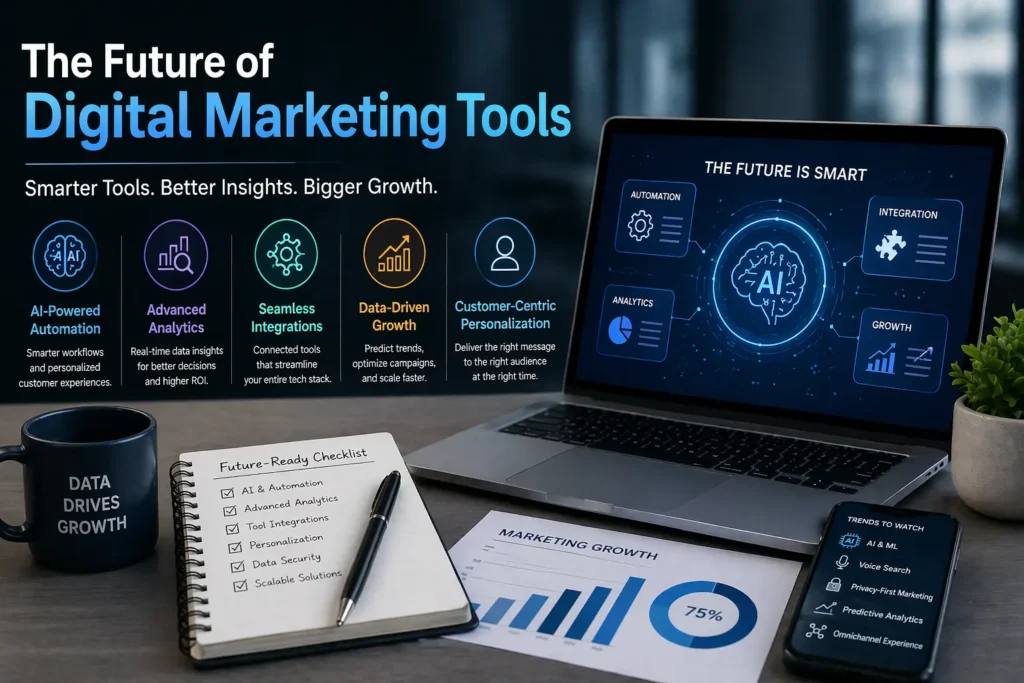
The future of digital marketing tools is being shaped by intelligence, not just automation. Artificial intelligence is moving beyond basic tasks and becoming a strategic layer in decision-making. From predictive analytics to personalized user experiences, tools are becoming smarter and more adaptive.
One of the most significant shifts is toward real-time optimization. Instead of analyzing data after campaigns end, tools are now adjusting strategies as data comes in. This allows businesses to respond faster and stay ahead of changes.
Personalization is also reaching a new level. Instead of segmenting audiences into broad categories, tools are enabling one-to-one experiences. Every user interaction can be tailored based on behavior, preferences, and intent.
Integration will continue to improve, reducing the fragmentation that many businesses face today. Systems will become more connected, providing a unified view of marketing performance across all channels.
However, despite all these advancements, one thing remains constant, strategy comes first. Tools will continue to evolve, but their effectiveness will always depend on how well they are aligned with business goals.
Conclusion
Digital marketing tools have the power to transform how businesses operate, but only when used with intention. The goal is not to collect as many tools as possible, but to build a system that supports your strategy and drives meaningful results.
Every tool you use should have a clear purpose. It should either help you generate revenue, save time, or improve decision-making. If it doesn’t do one of these, it’s adding complexity without value.
The businesses that grow consistently are not the ones chasing every new trend. They are the ones that stay focused, refine their systems, and use tools to amplify what already works. They understand that tools are not the solution, they are part of the solution.
When you approach digital marketing with this mindset, everything changes. You stop reacting and start operating with clarity. And that’s where real growth begins.
FAQs
What are the most important digital marketing tools for beginners?
For beginners, the most important tools are those that provide clarity and direction. This usually includes tools for SEO, analytics, and basic content management. Instead of trying to cover every channel, it’s better to focus on one or two areas and build a strong foundation there.
How many marketing tools should a business use?
There is no fixed number, but the goal should always be simplicity. A small, well-integrated stack is far more effective than a large, disconnected one. The right number of tools is the number that supports your strategy without creating confusion.
Are free digital marketing tools worth it?
Free tools can be valuable, especially in the early stages. They allow you to test ideas and understand basic workflows without a financial commitment. However, as your needs grow, investing in premium tools often becomes necessary for better performance and deeper insights.
How do I know if a marketing tool is delivering ROI?
A tool is delivering ROI if it contributes to measurable outcomes such as increased revenue, improved conversion rates, or significant time savings. If you can’t link a tool to a clear result, it’s worth reconsidering its role in your stack.
Can one tool handle all digital marketing needs?
While some platforms offer multiple features, no single tool can fully replace a well-structured system. Each business has unique requirements, and the most effective approach is usually a combination of tools that work together seamlessly.
📍 Think better, scroll better. Follow Milyom for more of this.